
Charles Brooker writes about his experience with the Tamron 150-500mm F5-6.7 X-mount lens, and compares it with the Fujifilm 100-400 plus 1.4x Teleconverter (140-560mm f/6.7-8).
- Tamron 150-500mm F5-6.7 Di III VC VXD with Fuji X-Mount ~£1,040 (Amazon UK)
- Low-cost super telephoto zoom with 82mm filter thread, 1.7kg
- How does it compare with the Fuji 100-400mm plus 1.4x TC at almost twice the price?
My photographic journey hasn’t seen much need for me to compare lenses especially with the Fujifilm ecosystem being pretty lacking in competition. I had lusted after the Fujifilm 100-400 for a long while and eventually took the plunge about a year ago. Since then I have probably put it to use in over 50,000 images across wildlife, sport and occasionally cityscapes.
When I got it I adored it. It was the single most expensive purchase I ever made and within a week I had bought the 1.4 extender which for the purpose of the review shall be included as a package. Some dealers offer them bundled – Amazon UK currently lists the Fuji 100-400mm + 1.4x TC for £1,815.
Including the teleconverter gives the Fuji 60mm more reach than the Tamron, but overall the two packages come out fairly similarly with the Tamron obviously being 150-500 f/5-6.7 and the Fuji being 150-560 f/6.7-8.
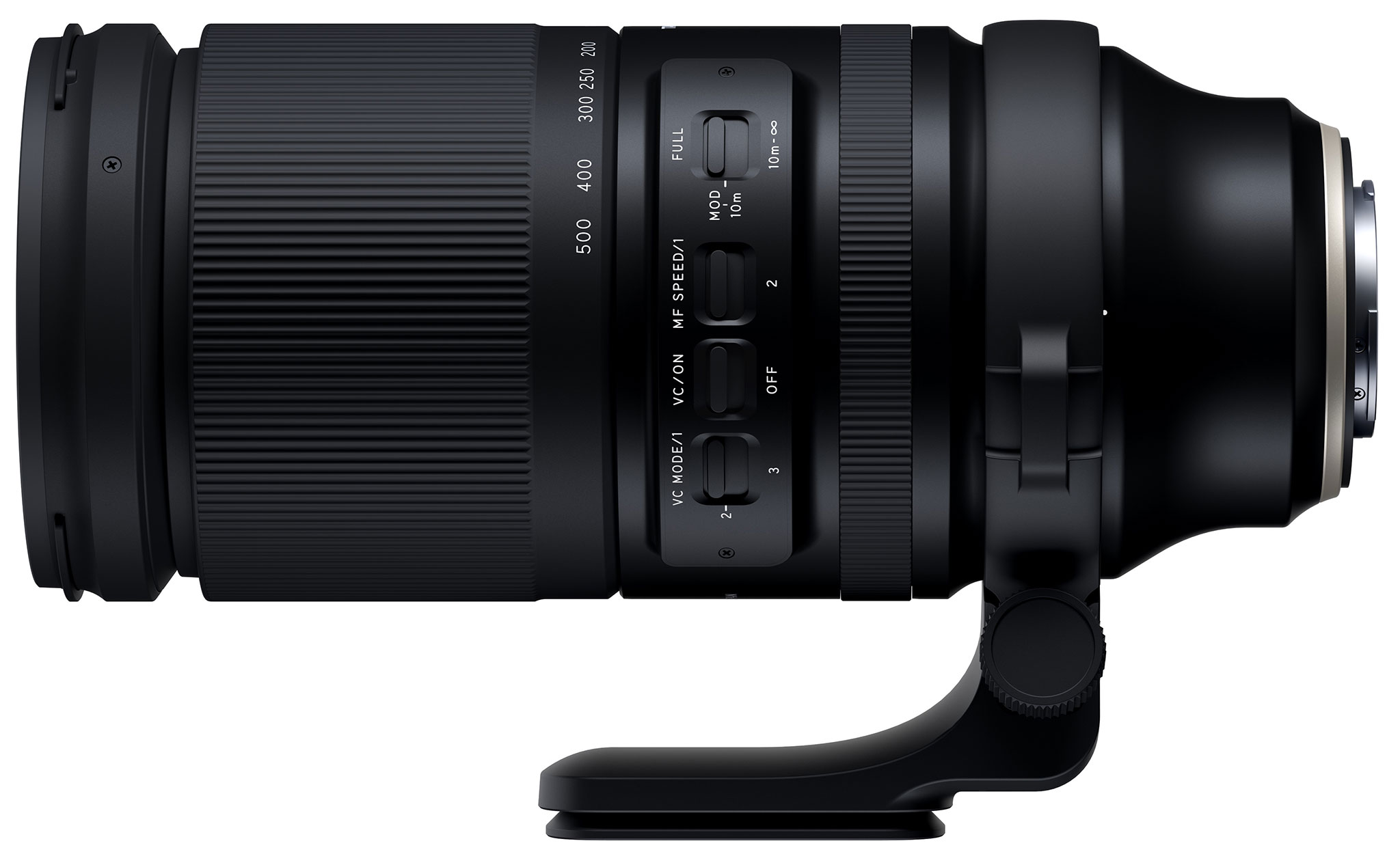
Tamron 150-500mm build quality and features
At 1725g the Tamron is 400 grams heavier than the Fuji and this extra weight is obvious in the hand but also in terms of significantly reassuring build quality. The Tamron 150-500mm Di III VC VXD is built like a tank.
Those 400 grams take into account additional image stabilisation options, and 3 focus limiting options: 0-10m, 10-infinity and full range. This compares to the unlimited focus or 5m-infinity that Fujifilm offer. The switches on the Tamron are all very firm and you know they have been clicked.
Unfortunately Tamron have not built this lens for use with Fuji’s 1.4x tele or any other converter. This would have made for a very interesting test.
Fuji’s build quality for the 100-400 has always been a major weakness in my eyes. It feels plasticky and the tripod mount screws have a habit of loosening (as do the screws holding the lens mount which is enormously off-putting). This screw issue is something that has always perturbed me when it comes to considering the level of weather resistance promised with the lens.
I didn’t realise how low the standard of the 100-400 I’ve experienced was until I acquired Fujifilm 50-140 and 16-55 f/2.8 lenses – which are of supreme quality.
Tamron vs. Fuji: AF performance
I would be inclined to say that the 100-400 feels a little more reassuring in focusing. I would expect that to be the case with a native lens. The focus seems to lock slightly more accurately. However, because the 100-400 only has one option to limit focus range I often have a real issue when trying to focus on small birds close up. The focus will miss and hunt.
Luckily experience tells me to half hold the shutter and initiate the AF+MF focus option to roughly manually focus then the AF will find it. If a rare bird was to perch for a couple of seconds, I would be more confident of getting a passable shot with the Tamron – but more likely to get something very sharp with the Fujifilm. Action photography was a different story.
Unfortunately I felt that the Tamron lens was not anywhere near as accurate, to the point where I did not feel I could trust it in the same situations I trust the 100-400. Fujifilm have had seven years to tweak autofocus with firmware updates and Tamron will no doubt work on a fix for this.
Tamron vs. Fuji superzooms: handling
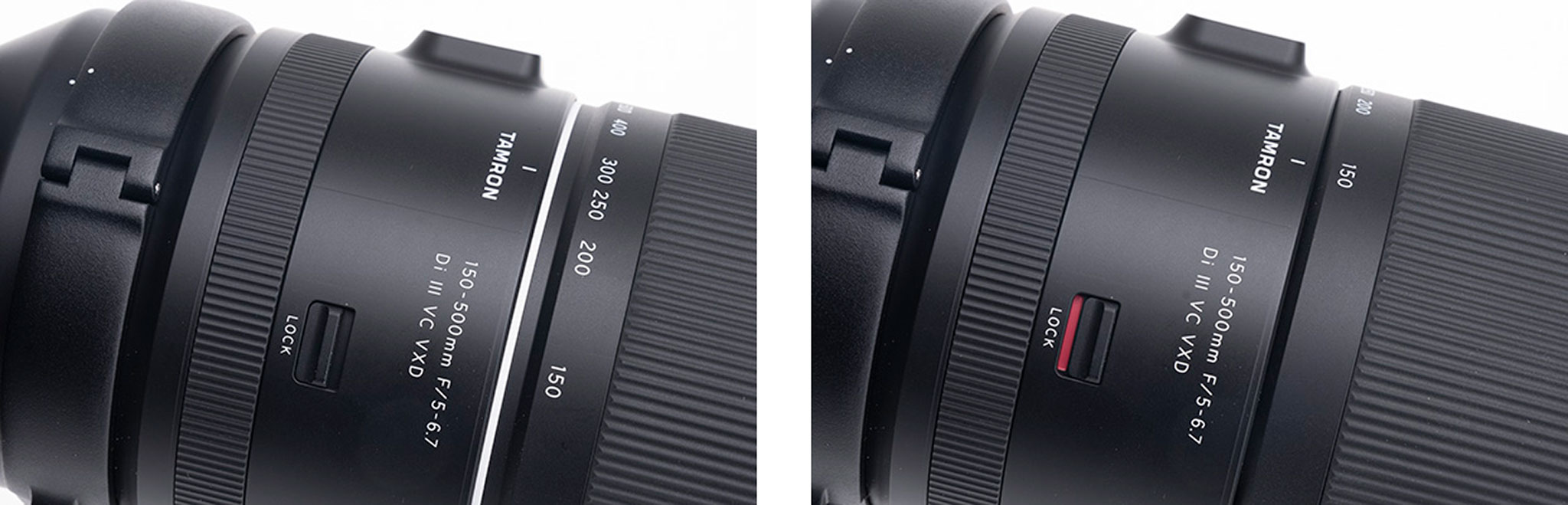
The zoom rings on both lenses I would say are missing the sweet spot – the Fuji feels a touch light, turning is easy but always feels slightly lacking in reassurance, the Tamron is slightly too firm, it would be difficult to zoom accurately as you follow the action.
I think the Fujifilm is slightly better on this. Both have zoom locks to stop the lens extending with gravity. The Tamron has a friction lock which is ideal for holding at a set focal length, however if you are using it in a high octane environment it is very easy to accidentally apply it. This is a nice feature and adds to the premium feel of the lens but I used it much less than I thought I would and much of the time I did use it was by mistake!
The weight is also a big factor here. I have photographed many sports matches with the 100-400 without any fatigue issues, the Tamron was not a problem for me but I am in my mid-30s and pretty strong. If photographers are concerned about weight on the 100-400 the Tamron offering will be too heavy.
Tamron 150-500mm tripod mount benefits
A pet peeve of mine is that neither of Fuji’s earlier large zoom lenses 100-400 or 50-140 feature an Arca-Swiss plate on their tripod mount. This lack of attention is downright sloppy, and luckily has been rectified with the Fuji 150-600. It means putting a third party tripod mount on.
Given these lenses are frequently exclusively used with a battery grip, this then means the camera will not sit flat on a table with the tripod plate added. This also adds a tiny bit more rock into the setup when moving the camera to find a subject and another thing that could come loose in part of the setup.
The Fuji100-400 with a 1.4x tele has a bit of movement in the mount and it never feels rock solid. This, added to the fact that the tripod mount locking screws have a habit of coming loose, is another issue while using the lens on a tripod.
My Fuji system comprises tripod, Arca-Swiss Plate, lens mount, lens, 1.4 tele, camera so there are five elements of potential play.
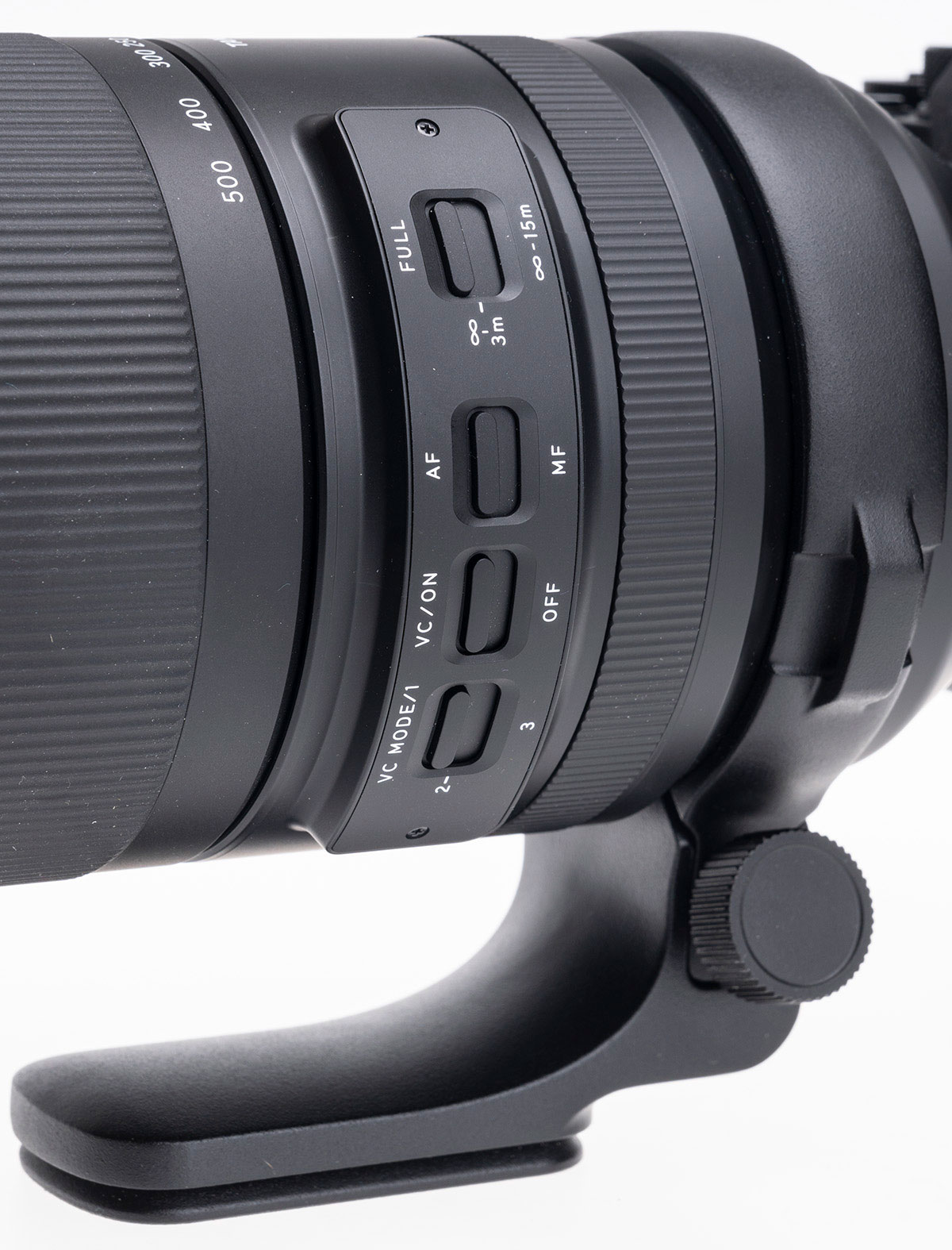
The Tamron on the other hand feels a lot more like it is the native lens when using on the tripod. When locked into my Peak Design tripod, it feels like one solid unit The Arca-Swiss mount sits snugly and the lens even feels tighter in the X-Mount system.
The tripod mount is rock solid but it is clumsy and has a habit of getting in the way of the switches which significantly reduces the ability to react quickly to surprising action. Manual focus is also very tricky to get at when looking through the EVF.
Tamron vs Fuji superzoom image quality
My standard workflow with the images is to put them through Lightroom and Topaz Denoise when high ISO is required by Scottish Winter. Given it was December and miserable, the lenses were having to work hard at about 1/250 and ISO of 1600-3200.
Generally speaking I would say the images from the Fujifilm were a bit sharper, but the images from the Tamron had more pleasing colour and contrast. This is unsurprising, as I feel my Fuji 50-140 f/2.8 is definitely better with colour than the 100-400.
Personally I feel the thing that makes photographs of birds special is capturing the detail in the feathers – increased contrast can be added in post.
See: Tamron EU info for the 150-500mm F5-6.7
Tamron 150-500mm results
Bird photography

I am lucky to have a very active bird feeding station in my garden with an army of finches trying to eat into my camera budget by emptying feeders in moments. I have a tripod set up in by the French doors and snap away indefinitely (electronic shutter is very handy for this as no rolling shutter issues are really noticeable and without this I would be looking at a number of new shutter motors).
If a rare bird was to perch for a couple of seconds, I would be more confident of getting a passable shot with the Tamron
Charles Brooker on the Tamron 150-500
I have been able to photograph the same bird on the same feeder within seconds using both lenses and settings and really image quality is so close to interchangeable. Looking back at the vast array of finished images I took over the month it would be very difficult to judge which lens took them.

Sports photography: Rugby
I have photographed a number of rugby matches with the 100-400 and am aware of where it hits the limitations. I know in good light I can use the 1.4x tele. When it’s overcast or dark – I can’t.
I used the Tamron for the first half and had to change in order to get more light in. Scottish Rugby in January is a real test for a lens and I think the Tamron met its match here, and looking though the hundreds of images I was disappointed by the focus accuracy compared to what I would have expected of the 100-400. What was more odd was that focus was not locking and tracking, so I would maybe get 4 sharp images in a batch of 10.
This cost me the crucial frame as a Try was scored on one occasion.


I am not saying the native glass would have got all 10, but I am confident that when focus locks it will stay on track when using that lens.
I also discovered that the friction zoom lock became a total pain when using the lens for action photography, the number of times I had unsuspectingly initiated it and then couldn’t work out why the lens wasn’t turning was frustrating when concentrating on following the ball with the subject rapidly increasing in size.
Photographing the moon with Fuji and Tamron
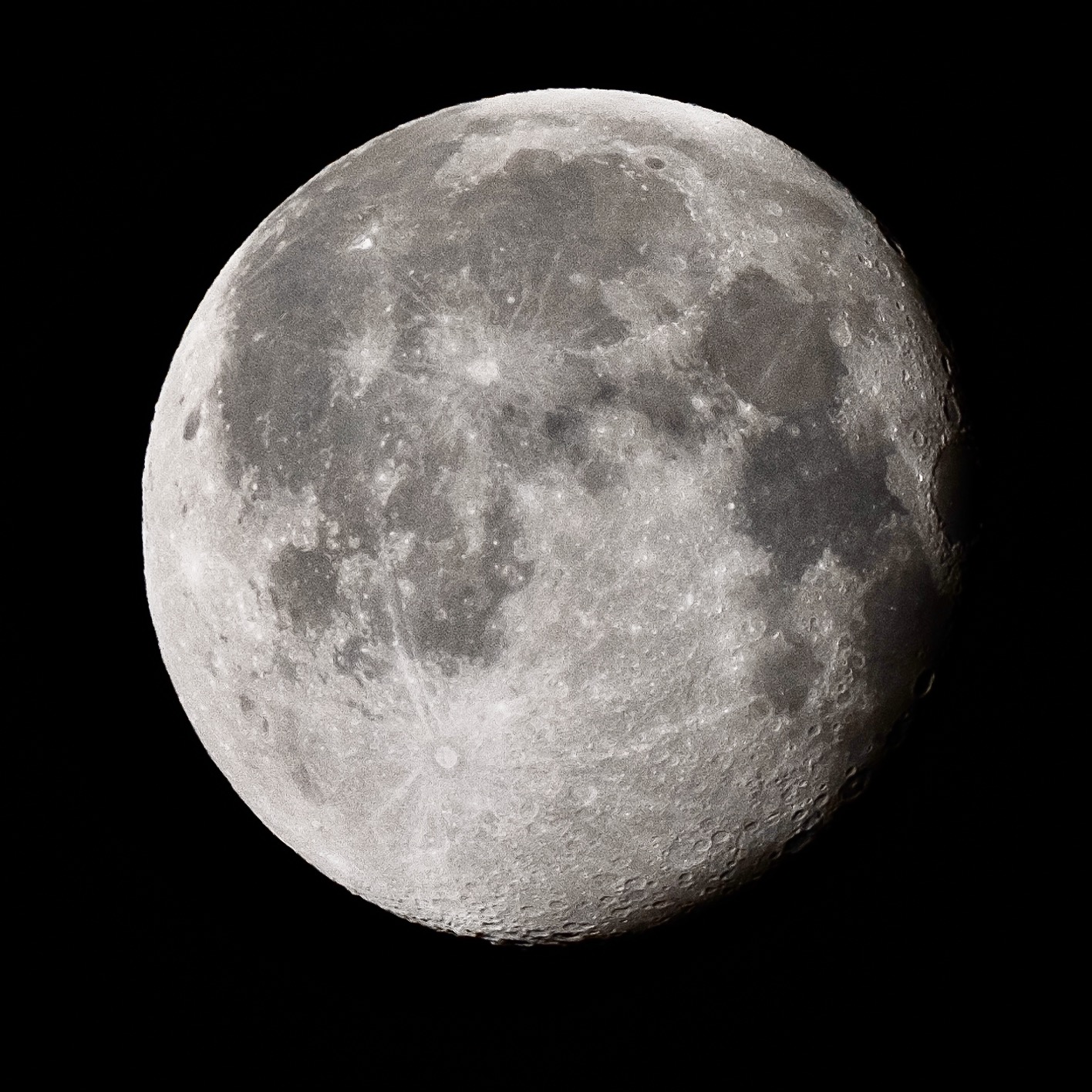
It is rude to have a telephoto lens and not have a few goes at photographing the moon. I had the lens for quite a while before December in Scotland gave me a clear(ish) night. The Tamron 150-500mm performed very well, but the location of the manual focus ring is very uncomfortable to use when the camera is on a tripod and trying to use the EVF focus peaking system Fujifilm offer.
Verdict: Tamron vs Fuji superzooms
If this was a buying guide I would immediately say to go out and buy the Fujifilm 100-400 from WEX second hand. At time of writing you can pick up an ‘excellent’ condition version of the lens for £850 and the teleconverter for £250 which gives you a year of warranty and peace of mind.
If you were not willing to buy used paying £1450 for the 100-400 plus £360 for the tele would be negligent. You would be better getting the Tamron for £1400 or the new 150-600 Fuji lens for £1800. Internet forums and Facebook will tell you that there are good copies of the 100-400 and bad but I suspect there are good users and bad!
What does the Fuji 100-400 do well?
Picking your priority is the most important thing here. The 100-400 offers you flexibility – when light is tricky you can sacrifice some reach for more light, vital in keeping the fastest shutter possible. It also seemed to have significantly better AF when shooting action and feels slightly better in the hand even if build quality is somewhat lacking.
The Tamron lens is beautifully made but that comes at a weight cost. Initially I loved the handling but with more use, I found the idiosyncrasies of button location, the bulky tripod mount and zoom lock all left me rather frustrated, I never quite got the muscle memory I thought I would.
I would like to think any AF issues have been fixed with the recent firmware update (which came as I returned the lens). Some samples – which you may come across if buying used – had problems with infinity focus.
In order to make a case for buying a third party lens over a native one, I think I need a compelling reason to do so and I don’t think Tamron have given me one.
Charles Brooker is a freelance photographer and also specialises in picture framing and bespoke leatherwork, including handmade camera and equipment bags. He is based in the village of Kirk Yetholm at the northern extreme of the Pennine Way – see https://www.charlesbrooker.com
Leave a Reply
You must be logged in to post a comment.